Design
-
 New
100,00 kr.
Copenhagen: SAS, 1958. 8vo in original wraps. Name in ink to front cover lower right corner. Original magazine with The SAS Royal Hotel by Arne Jacobsen on the cover and inside with a small photo of the construction site – the building was not finished until 1960
-
 New
100,00 kr.
Copenhagen: Danish Architecture Center, 1990. 8vo in original slipcase (11 x 15 cm.). 8 original postcards. Fine clean set 1st and only printing
-

 950,00 kr.
Aicher, Otl (foreword). – Max Bill. – Hans Gugelot et al. – Gonda, Tomas (book design): Ulm: Hochschule für Gestaltung (HfG), 1963. Small square softcover as issued (140mm). 102 pp. Illustrated b/w. Some wear to exterior, to spine mainly, and corners – please see the photos. Complete with errata leaf…
-
 600,00 kr.
Chermayeff, Serge & Moholy-Nagy, Lazlo et al: Onstitute of Design of Illinois Institute of Technology. Original vintage information flyer. Chicago: Institute of Design, 1952. One folded sheet, 28 x 42 cm, folded 14 x 21 cm. 1st printing. Provenance: Keld Helmer-Petersen (not signed but the “1952” added with pencil is…
-
 300,00 kr.
“Hannah Ryggen created numerous monumental tapestries in her lifetime. Originally trained as a painter, Ryggen began weaving on a standing loom on her self-sufficient farm on the West coast of Norway. She challenged the formal traditions of Norwegian 17th and 18th century textile folk art, combining figurative and abstract elements. She also experimented and developed colours using local plants and other materials she foraged. Her tapestries bravely tackled the social issues of the time, from the atrocities of war to the abuse of power. She created work in direct response to Hitler, Franco, and Mussolini and made powerful statements of support to the victims of Fascism and Nazism. This book features about 25 of Ryggen’s signature tapestries including Ethiopia, Death of Dreams, and We Are Living on a Star. It shows her work representing a different kind of modernism where elements of folk art and mythology are mixed with contemporary life. Haunting and powerful, Ryggen’s work was unprecedented at the time, as it expressed her political messages to the public.”
-
 175,00 kr.
RYGGEN, Hannah. – Paasche, Marit: Hannah Ryggen: Threads of Defiance. Thames and Hudson Ltd, 2019. 8vo hardcover with jacket. 288 pp. Illustrated richly. Light wear to jacket. 1. ed. “Hannah Ryggen (1894–1970) was a Swedish-Norwegian modern artist who began her career as a painter before switching to creating political art…
-
800,00 kr.
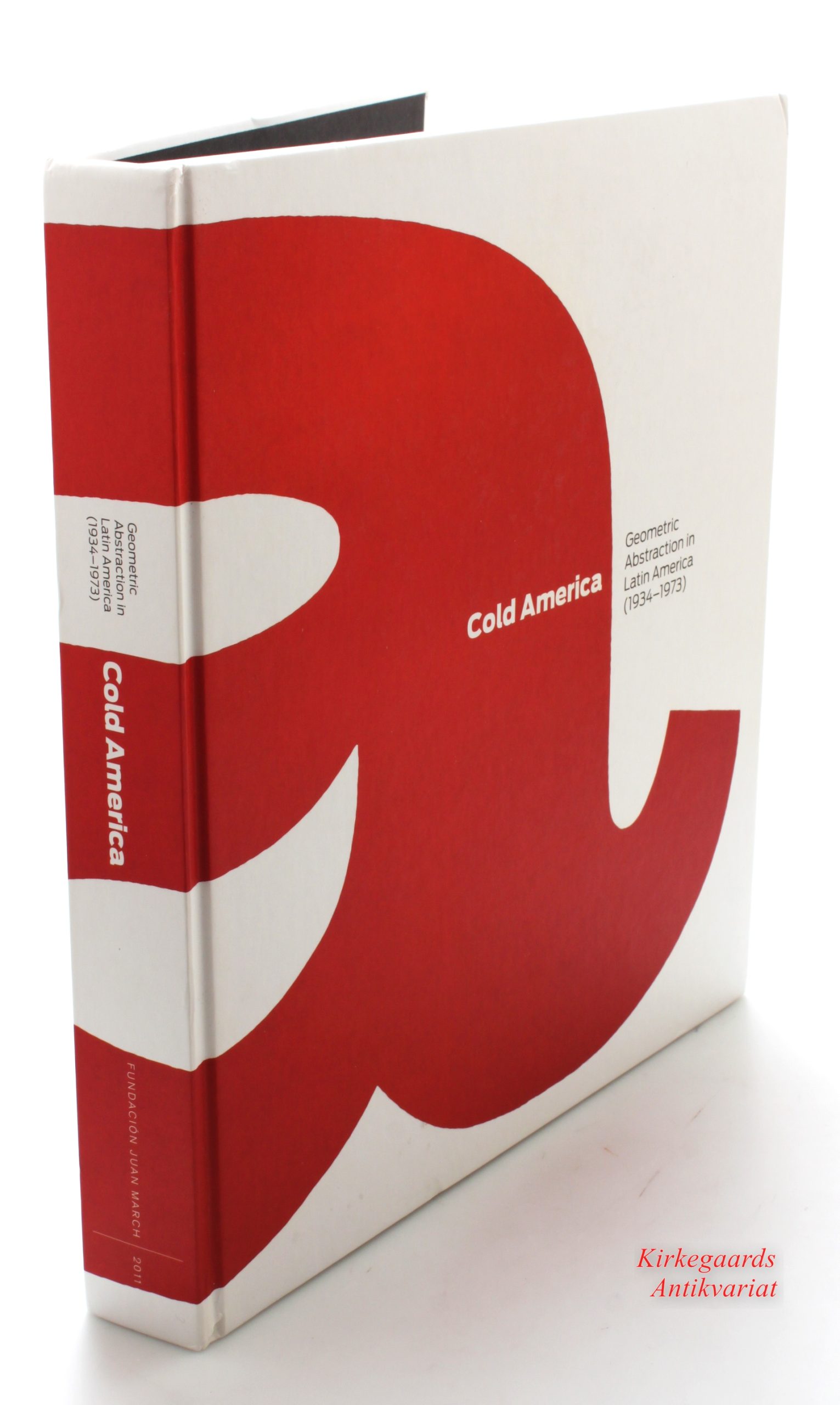
Suárez, Osbel; Paternosto, Césaro; García, María Amalia; Gullar, Ferreira; Oramas, Luis Pérez; Pérez-Barreiro, Gabriel: . Cold America : Geometric Abstraction in Latin America. Published by Fundación Juan March, Madrid, 2011. Oversized hardcover.504 pages. Text in English. Richly illustrated. Some wear to corners of binding else clean and overall very good.…
-
Out of Stock
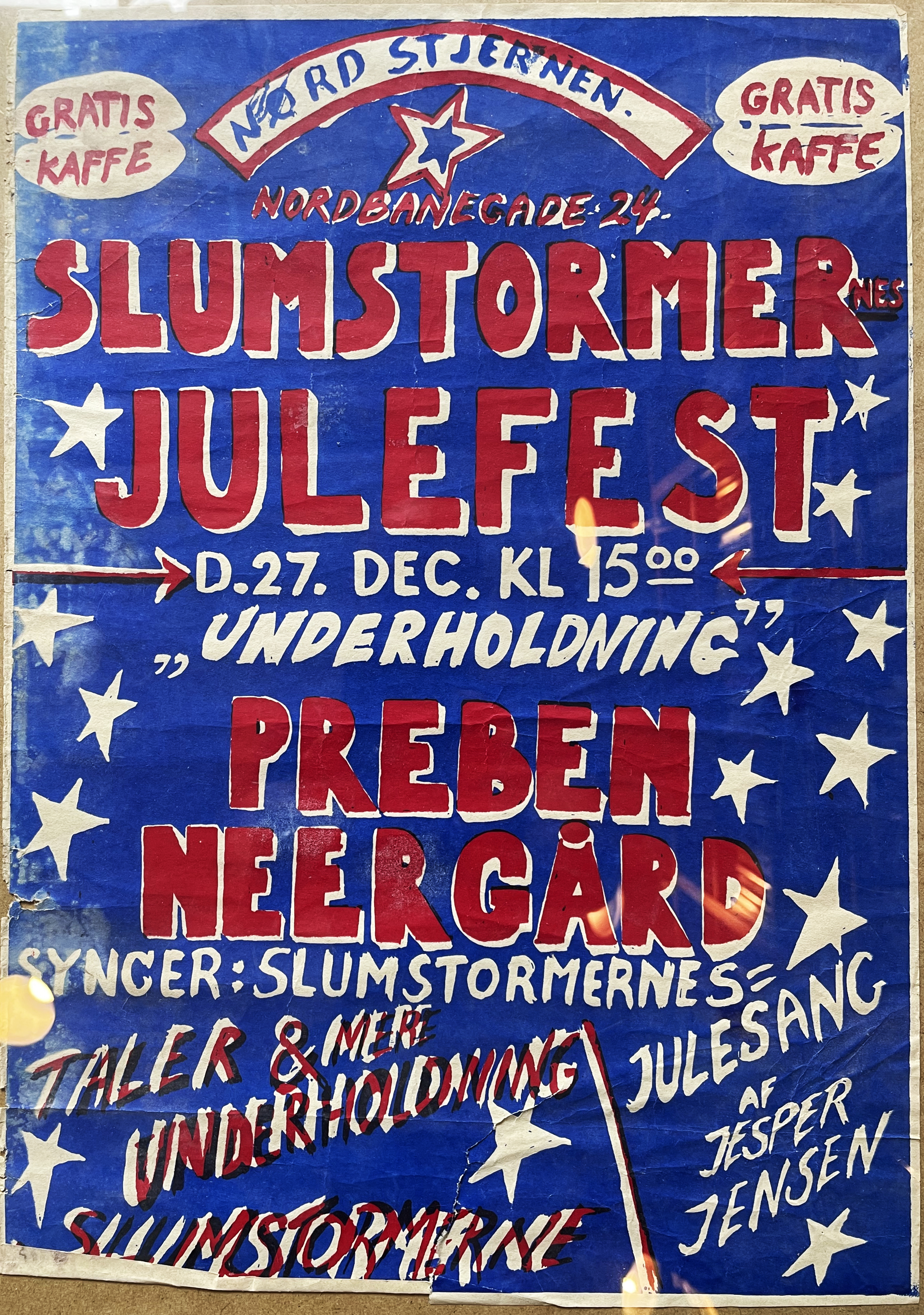
Meget sjælden “BZ” plakat fra omkring 1970 SLUMSTORMER JULEFEST – Gratis Kaffe! Nordbanegade 24, “NORDSTJERNEN” Medvirkende er Jesper Jensen og Preben Neergaard, Jesper Jensen og Preben Neergaard var begge forbundet med den danske slumstormerbevægelse i slutningen af 1960’erne og 1970’erne, der kæmpede mod bolignød og for besættelse af tomme huse…
-
Out of Stock
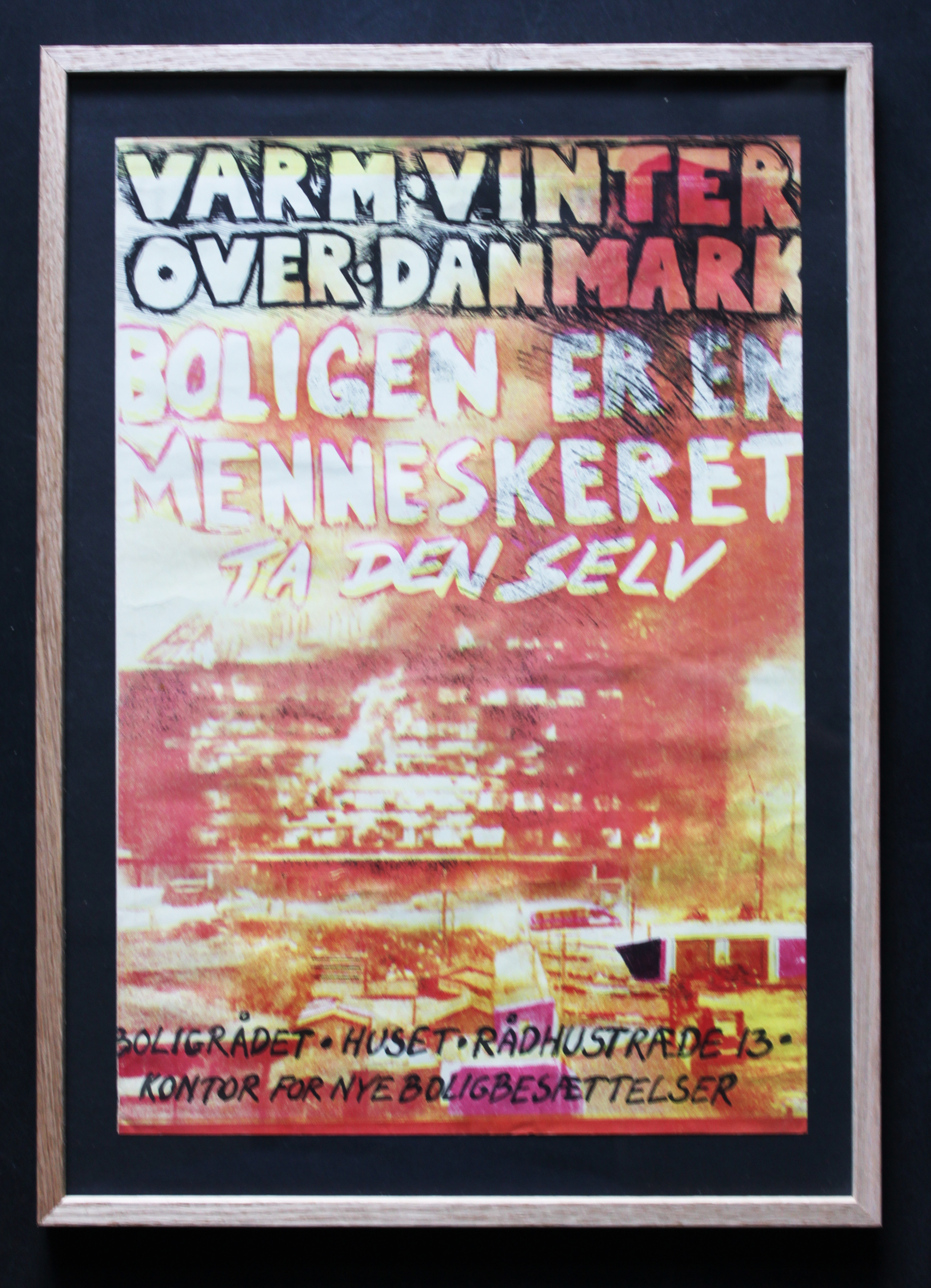
Fantastisk og meget sjælden “BZ” plakat fra 1970 VARM VINTER OVER DANMARK : “”Boligen er en menneskeret – ta den selv” På SMK’s hjemmeside fremgår tre navne : Bjørn Nørgaard, Per Kirkeby og Lene Adler Petersen, altså muligvis at forstå som et kollektivt værk “Boligen er en menneskeret – ta…
-
-
600,00 kr.
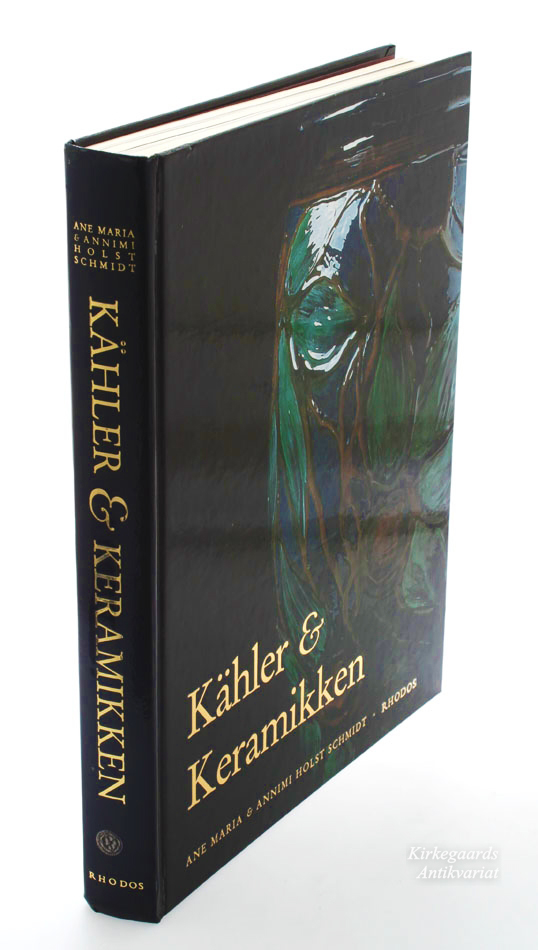
Forlaget Rhodos, 2001. Stort format. Hardcover. 359 sider. Illustreret. Flot eksemplar!
-
345,00 kr.
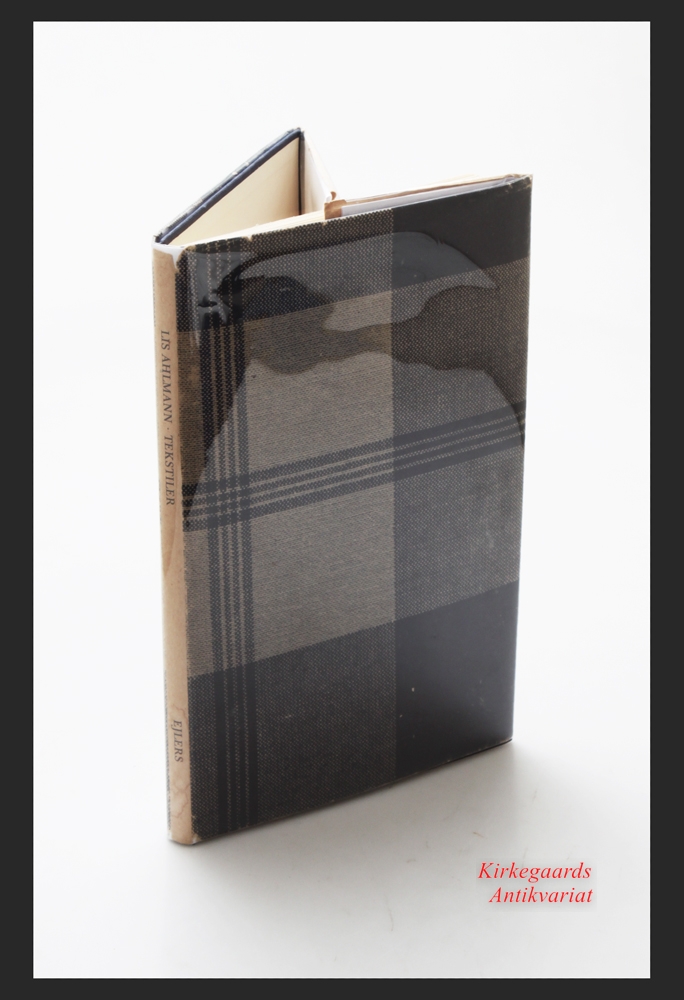
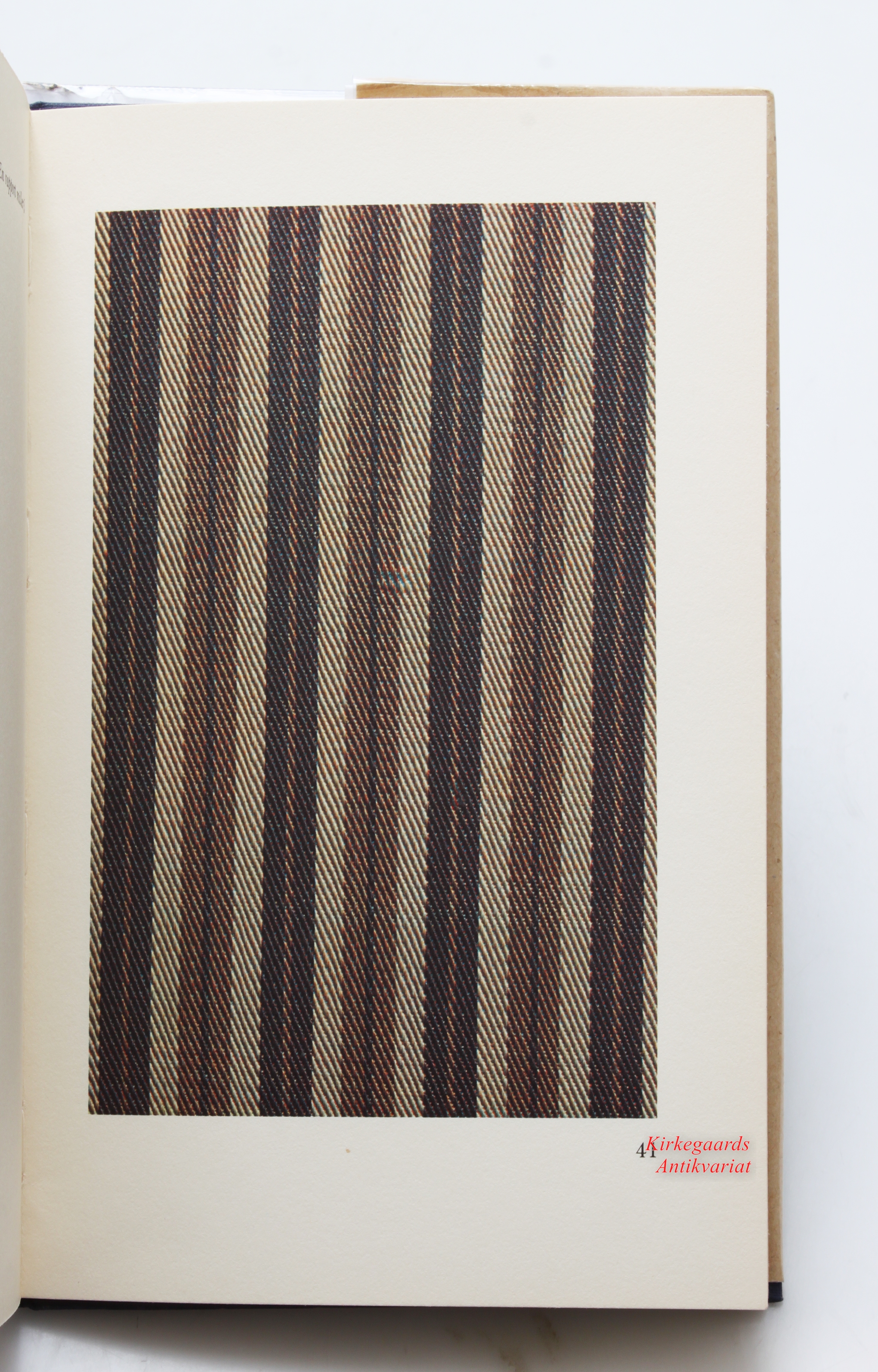
Mathilde Elisabeth “Lis” Ahlmann (April 13, 1894 – January 15, 1979) was a Danish weaver and textile designer who was one of the founders of modern Danish textile art and influential in the development of the style known as Danish modern. Born in Aarhus, Denmark, she trained with weaving master Gerda Henning, completing her apprenticeship in 1929. She also studied painting with Harad Giersing and worked for a time as a china painter for Kähler Keramik. She traveled around Europe for further studies. She opened her own workshop in 1934, and during that decade worked with furniture designer Kaare Klint, most notably designing the hand-woven fabrics for his famous Circle Bed (Kugleseng). By 1938 she had begun to exhibit her textiles, and she became known for a strongly geometric style featuring stripes and checks, initially in earth tones. Drawing on both traditional Danish folk patterns and Bauhaus ideas, her work in this decade with fabrics designed to complement furniture helped to shape the style now known as Danish modern. During World War II, she worked with Børge Mogensen to create fabrics for his new line of mass-produced beechwood furniture inspired by Shaker designs. This collaboration marked a shift in her production towards industrially produced designs as the scale of production exceeded what was possible with hand-woven textiles. She continued to work with Morgensen, and her palette of muted colors and grays became brighter, complementing the oak that was his preferred material after the war..