Architecture
-
 Out of Stock
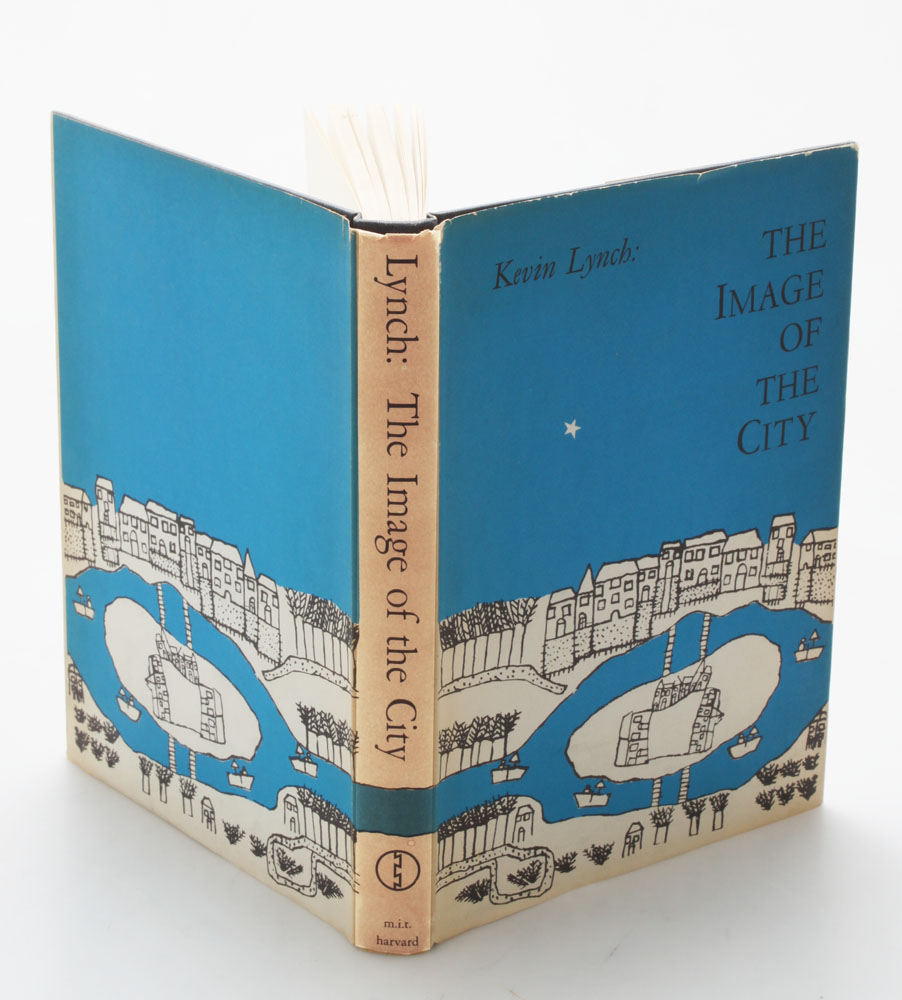
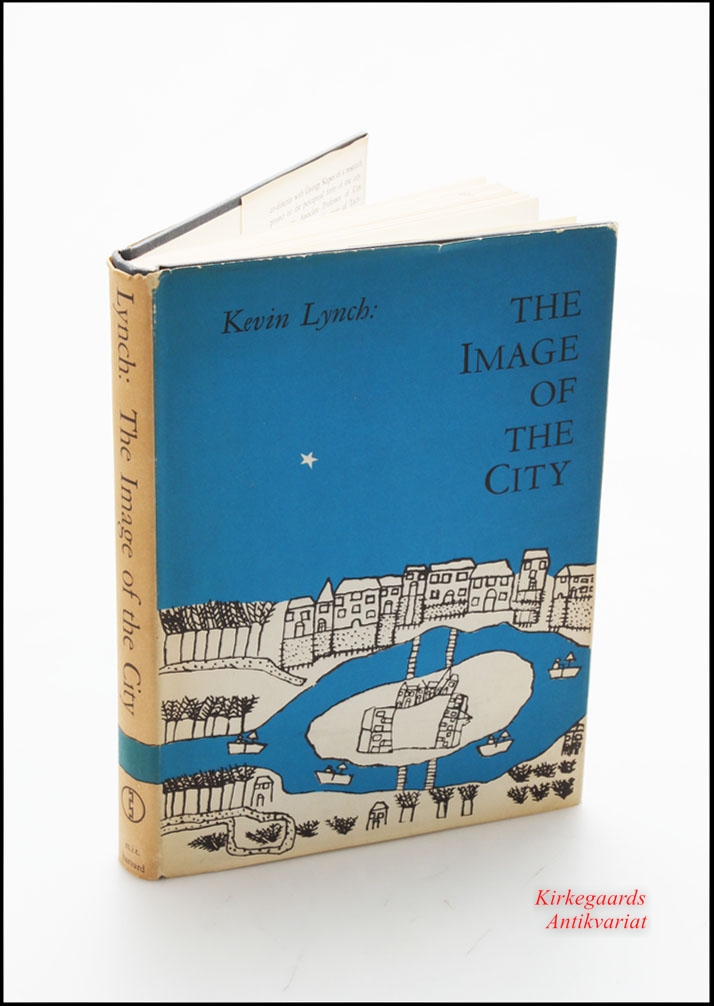
– “What does the city’s form actually mean to the people who live there? What can the city planner do to make the city’s image more vivid and memorable to the city dweller? To answer these questions, Mr. Lynch, supported by studies of Los Angeles, Boston, and Jersey City, formulates a new criterion—imageability—and shows its potential value as a guide for the building and rebuilding of cities. The wide scope of this study leads to an original and vital method for the evaluation of city form. Kevin Lynch (1918-1984) studied with Frank Lloyd Wright at Taliesin and later obtained a Bachelor of City Planning degree from MIT. After a long and distinguished career on the faculty of the MIT School of Architecture and Urban Planning, he was named Professor Emeritus of City Planning. This small and readable book makes one of the most important modern contributions to large-scale design theory. “David A. Crane.
-
 300,00 kr.
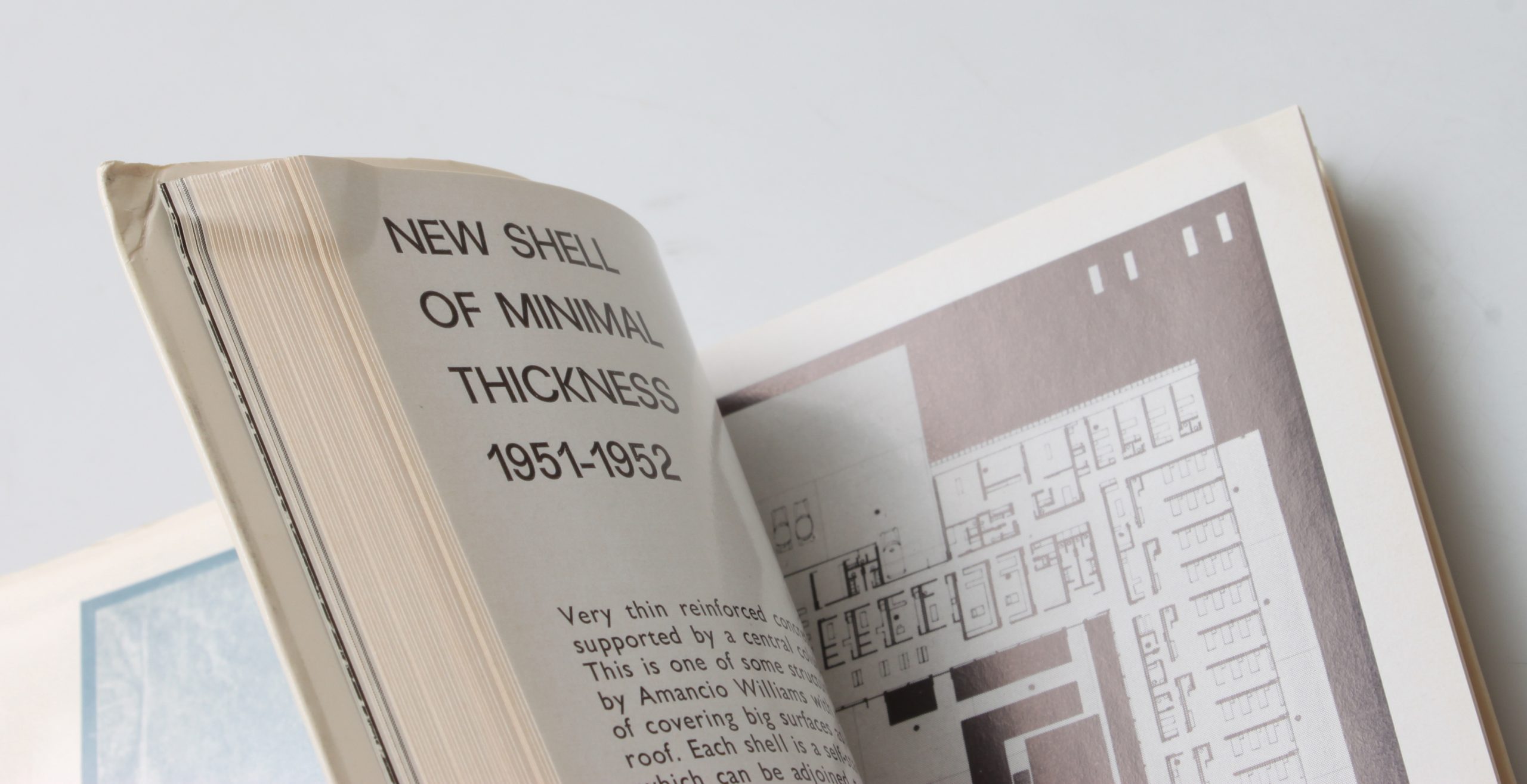
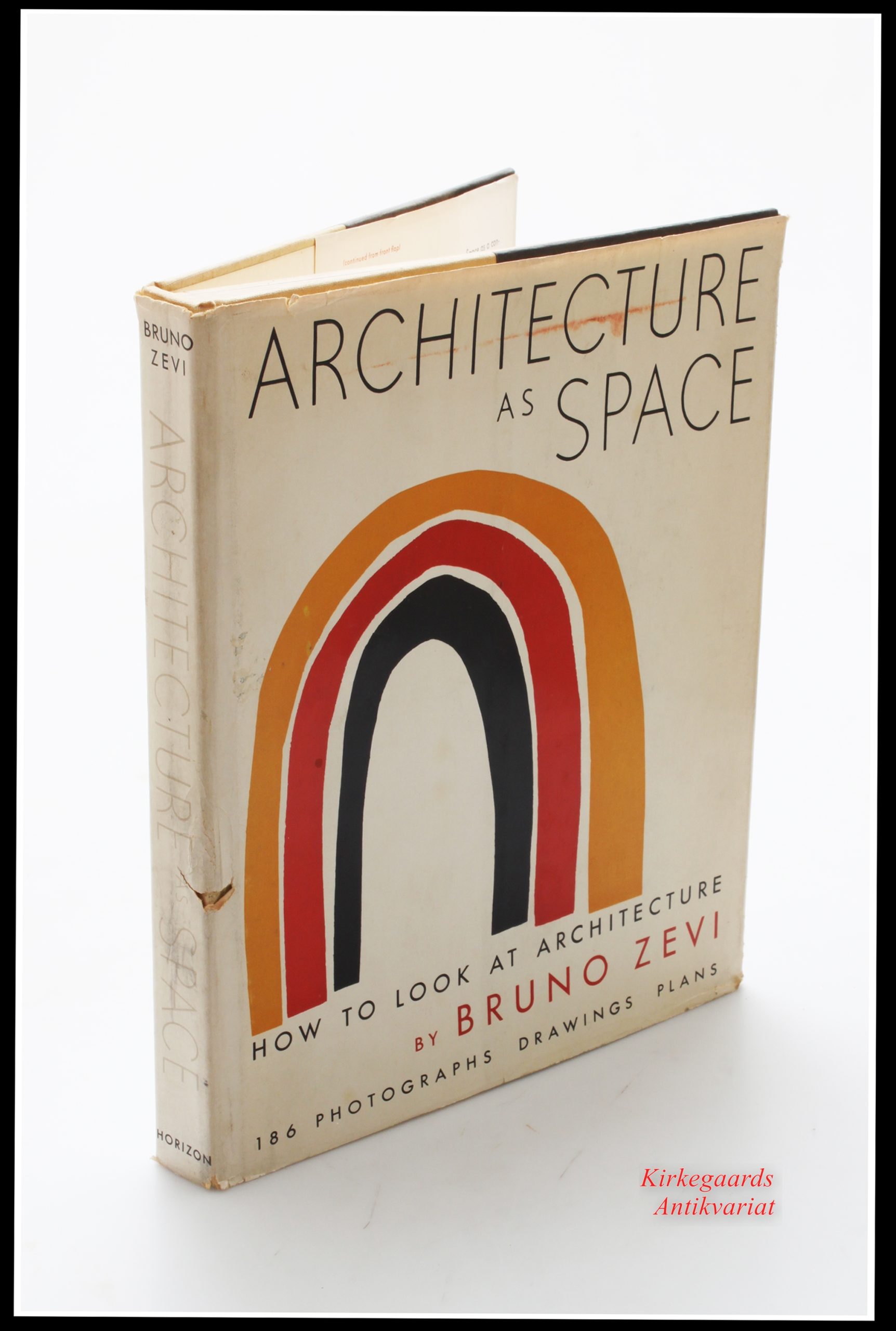
New York, Horizon, 1957. Small 4to in original hardcover w jacket. 288 pages. 8″ X 10″. 20 plates – 123 photographs. Jacket slightly worn but complete and overall a clean attractive and well preserved copy First US edition of Saper vedere l’architettura. Translated by Milton Gendel. Edited by Joseph A.…
-
 Out of Stock
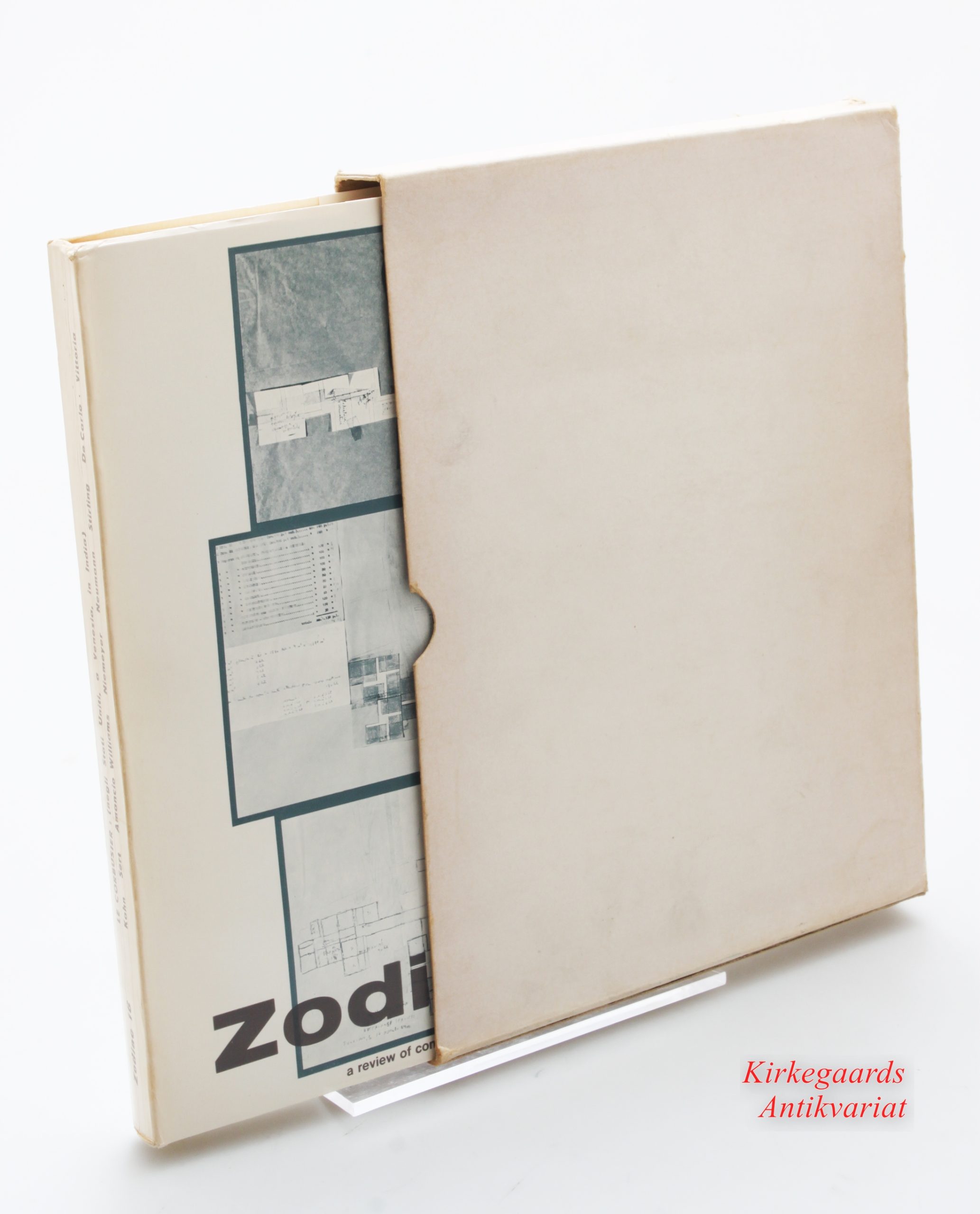
LE CORBUSIER. – Alfred Neumann et al. – Alfieri, Bruno (ed.): Zodiac 16. International Magazine of Contemporary Architecture/ Revista internazionale d’architettura Contemporanea. Milano, Edizioni di Comunità. 1966, First Edition. Card Covers, 270mm. x 215mm in original slipcase. [20] ads. 243 pages, colour & b/w illustrations, including fold-outs). English, Italian, French,…
-
 Out of Stock
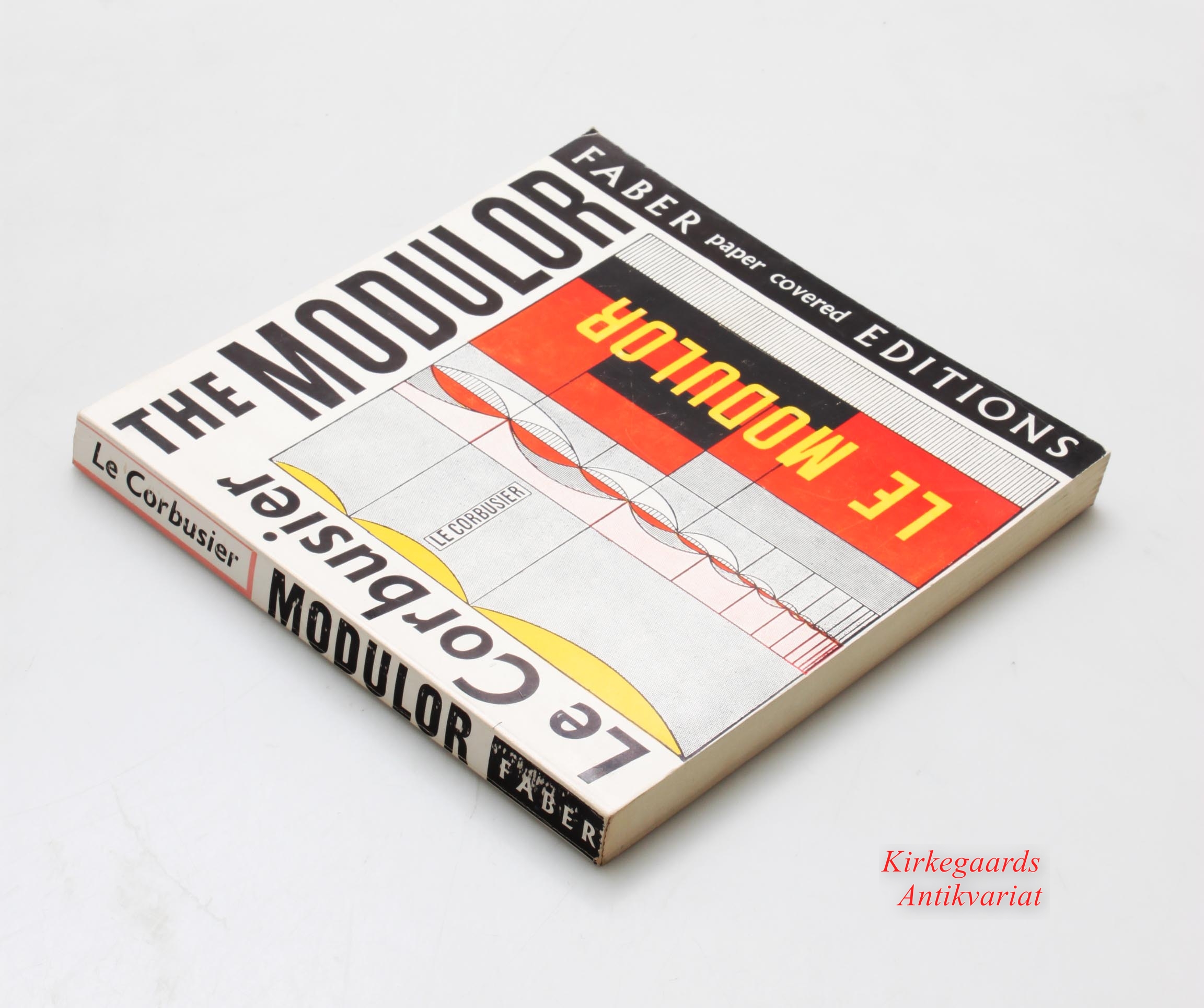
The MODULOR: A Harmonious Measure to the Human Scale Universally applicable to Architecture and Mechanics London: Faber & Faber, 1963 (1961). Small square 8vo in softcover, as issued.180 by 180mm (7 by 7 inches). Only very little wear to cover, overall a very good clean and solid copy
-
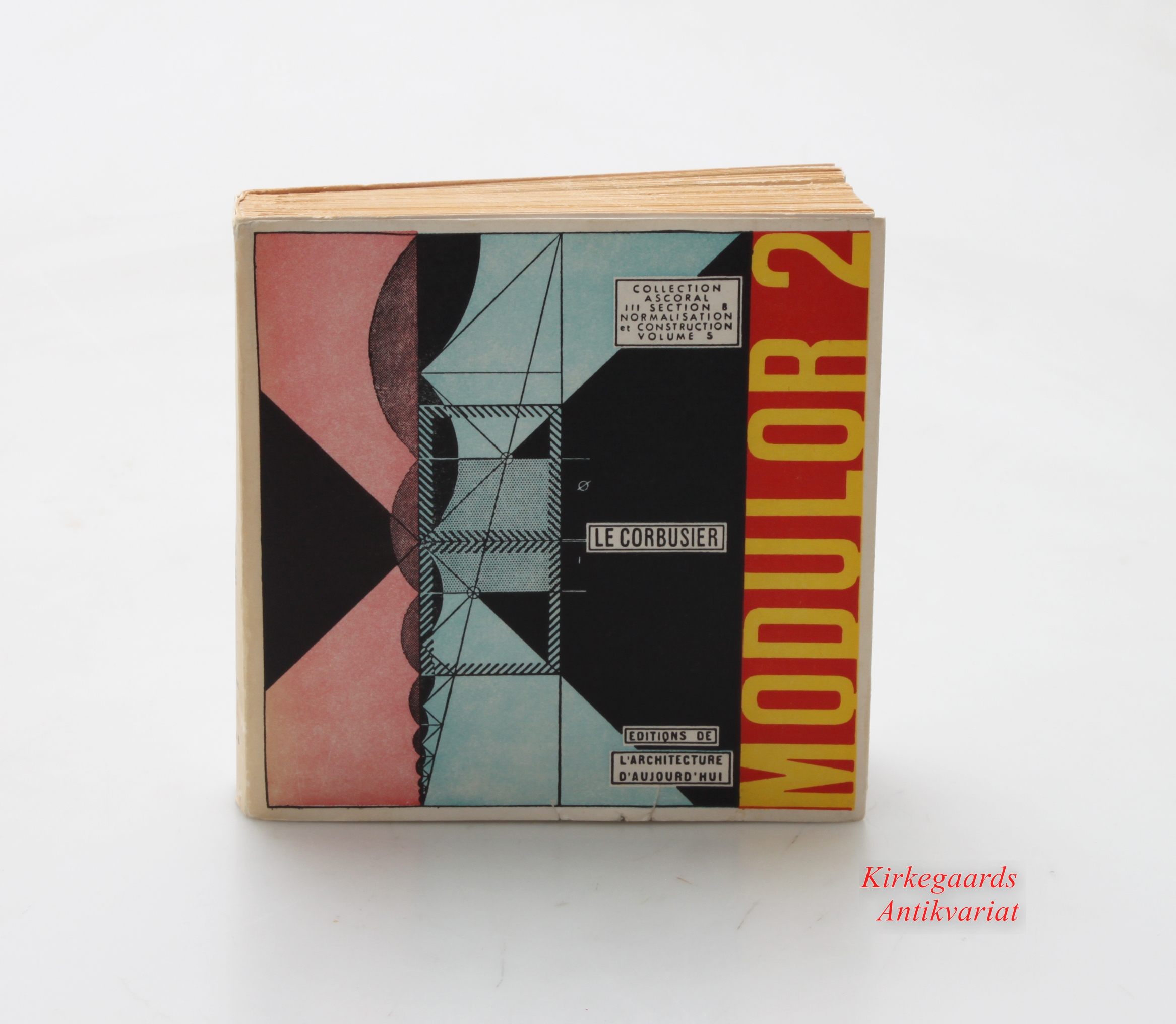 Out of Stock
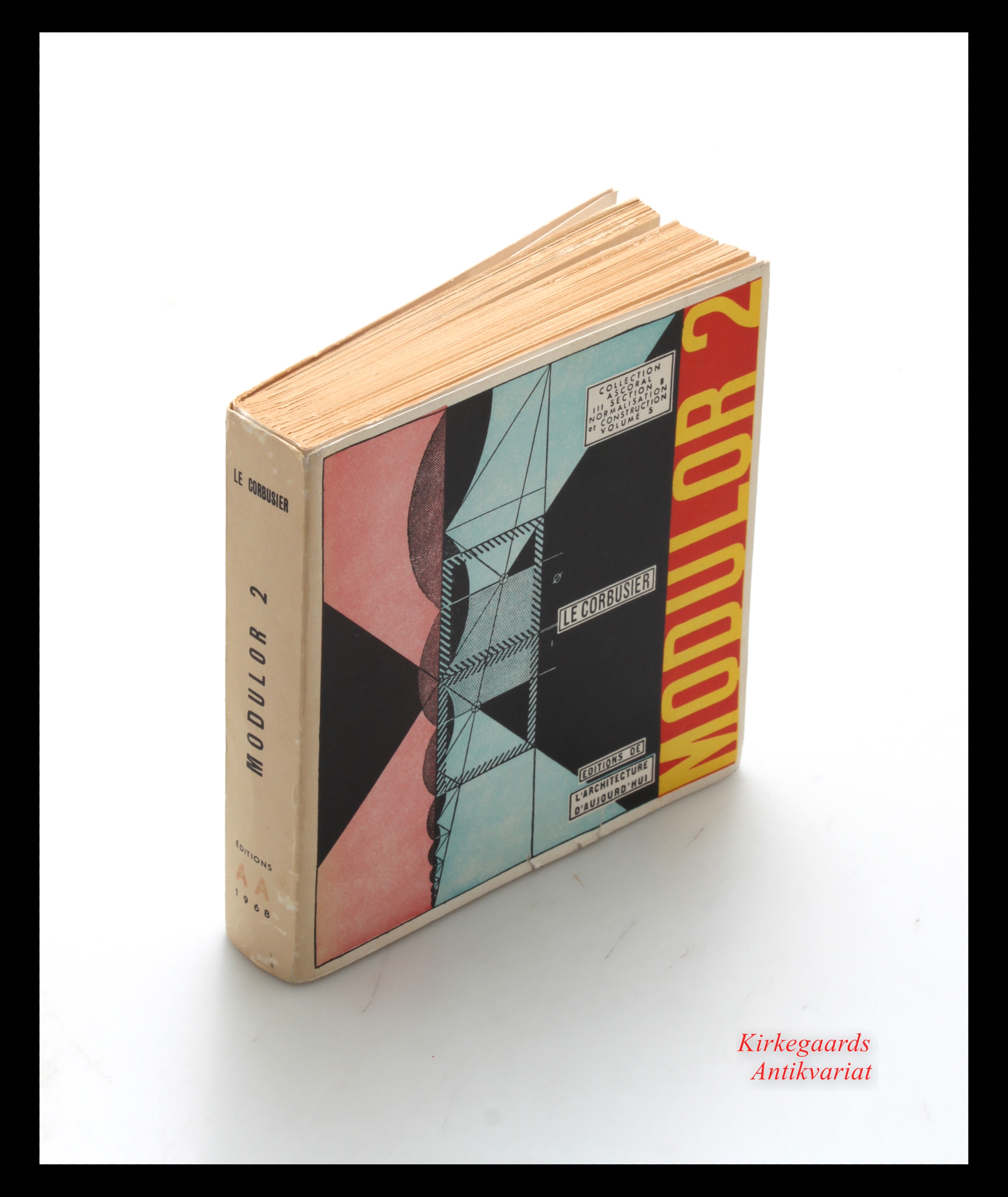
Le Corbusier:. MODULOR 2: La parole est aux usagers 1954. Suite de le Modulor 1948. Boulogne: Collection Ascoral 1968 (1955). 12mo. Small square in softcover, as issued. 343 pages with 198 illustrations in bw. Only minor wear to cover (see photos), overall a very good clean and solid copy. …
-
Out of Stock
The MODULOR: A Harmonious Measure to the Human Scale Universally applicable to Architecture and Mechanics. London: Faber & Faber, 1961. Small square 8vo in softcover.180 by 180mm (7 by 7 inches). Some edgewear. Overall a good to very good clean and solid copy First edition thus
-
120,00 kr.
Redigeret af Mogens Krustrup og Esbjorn Hjort. Statens Museum for Kunst, 1987. 4to. 120 pp. Hft. Illustreret. Pænt eksemplar
-
Out of Stock
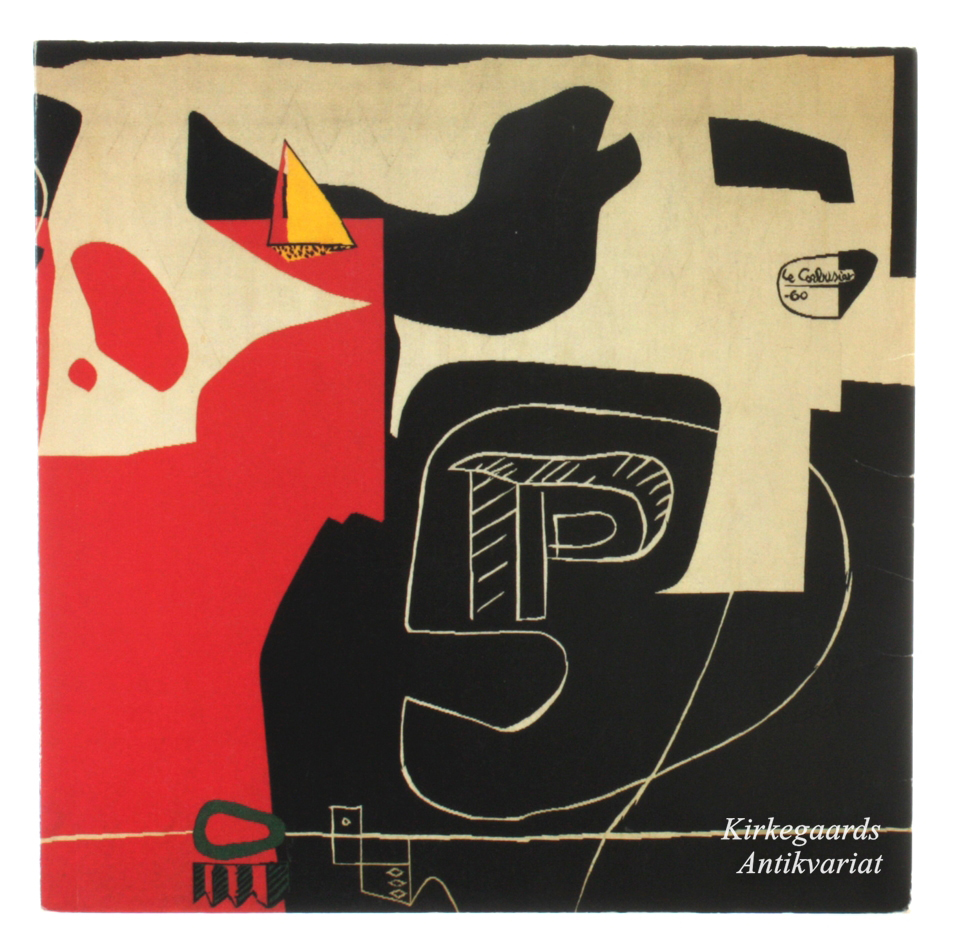
Hiort, Esbjørn (ed.):. Le Corbusier. Arkitektur. Maleri. Skulptur. Gobeliner. Copenhagen: Kunstindustrimuseet, 1958. Original lithographed wrappers. 76 pp. Illustrated. Text by Corbusier et al. Text in Danish. Minor wear to cover, overall a solid very good copy First edition Book designed by Leif Thomsen. Beautiful publication
-
175,00 kr.
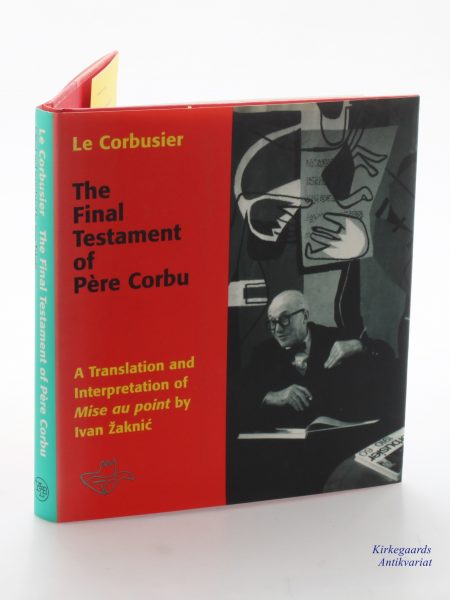
“Nothing is transmissible but thought. Over the years a man gradually
acquires, through his struggles, his work, his inner combat, a certain
capital, his own individual and personal conquest. But all the
passionate quests of the individual, all that capital, that experience
so dearly paid for will disappear. The law of life: death. Nature
shuts off all activity by death. Thought alone, the fruit of labor is
transmissible. Days pass, in the stream of days, in the course of a
life….
Everything is harmony relationships, presences, and also thundering
synthesis, an unleashing, a trigger, a flash of lightning for the
sight, intervention, catalysis. Raison d’être: that which is
impassably permanent in the midst of, beyond, above, below certain
events, certain elements throughout everything”The first English translation of Mise au point, the first illustrated critical bilingual edition, and the first attempt to integrate this document into Le Corbusier’s life as a whole, especially its final embittered years
-
Out of Stock
“Compiled by Fluxus artists Wolf Vostell and Dick Higgins, and first published by Higgins’ legendary Something Else Press in 1970, here in the immaculate reprinting from 2015, Fantastic Architecture anticipated the critiques launched by a new generation of visionary architects in the 1970s. In his introduction, Higgins argued that “architects … have only just begun to escape from the drawing board mentality,” and articulated the need for “creating space, which may or may not be functional, but which is at least relevant to the sensory environment in which we live. The economics of building has led to an aridity in our experience which is not consistent with the richness of our time.” Against this, Higgins and Vostell advocate the approach of polymath artists such as Kurt Schwitters, Raoul Hausmann, Erich Buchholz, John Cage and Buckminster Fuller. From their contemporaries and friends, artists such as Carolee Schneemann, Ben Vautier, Richard Hamilton, Douglas Huebler, Lawrence Weiner, Dennis Oppenheim, Jan Dibbets, Jean Tinguely, Robert Filliou, Daniel Spoerri, Geoff and Bici Hendricks, Philip Corner, Joseph Beuys, Ay-o, Claes Oldenburg and others also made contributions, which range from the visionary to the absurd to the political, from the epistolary to the outright manifesto. Joseph Beuys submitted a recommendation to raise the height of the Berlin Wall; Claes Oldenburg’s proposals included a colossal replacement for the Washington Obelisk and a monument for war heroes. Vostell and Higgins considered it the artist’s responsibility to research and revolutionize structures in space, recognizing that artists could reconceive buildings without the bureaucracy of government and urban planning. The missives and artworks made for this book show how much visionary architecture was intertwined with all facets of culture and critique. Fantastic Architecture is a prime example of a 1960s Fluxus artist’s book and of imaginative cross-media thinking.”
-
Out of Stock
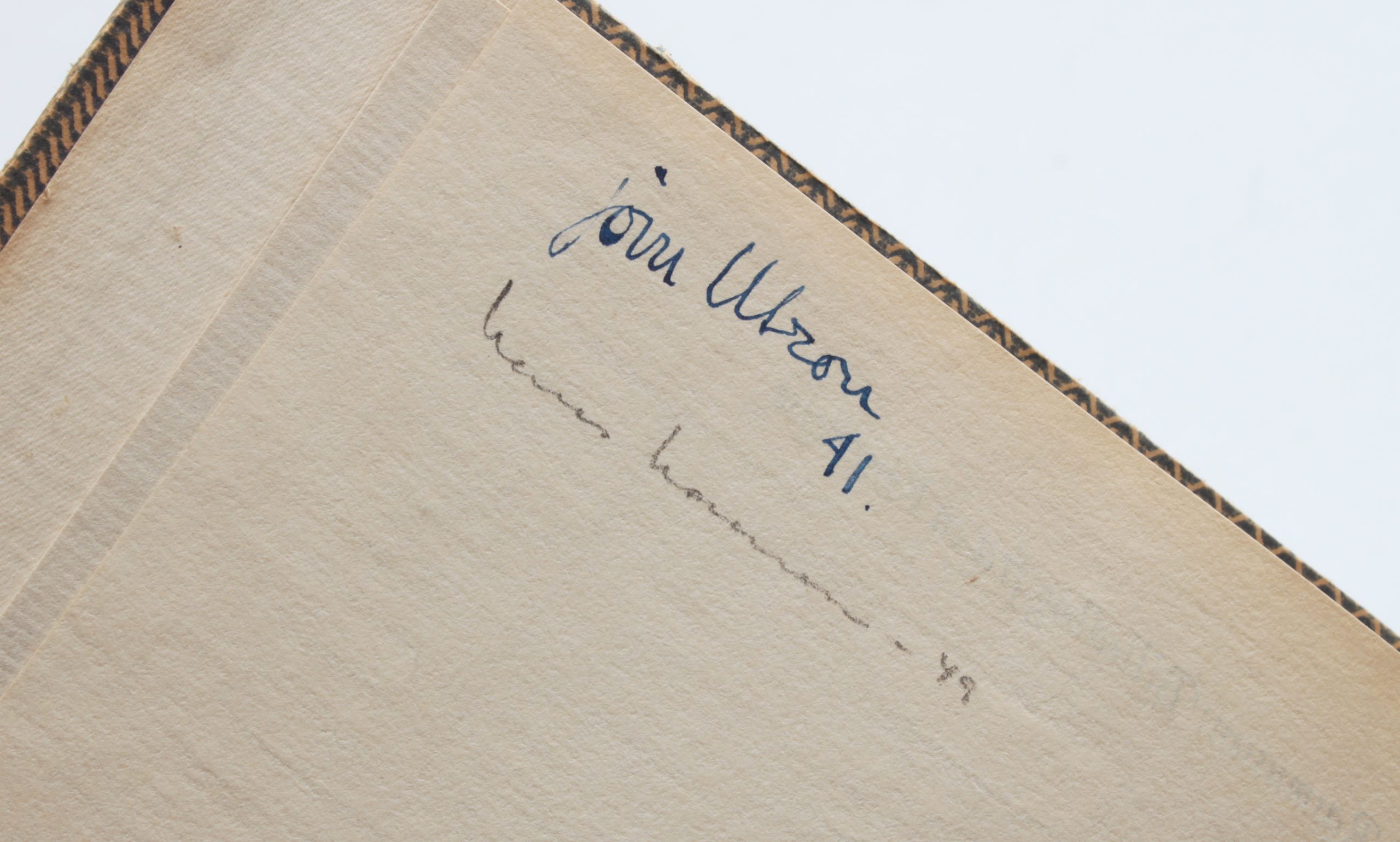
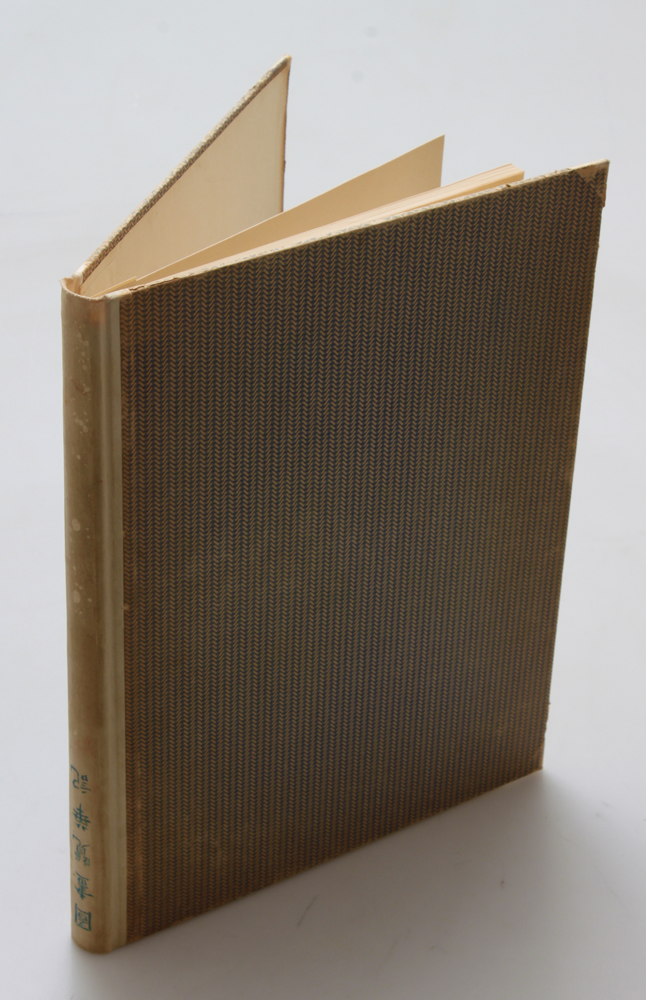
Eiler Rasmussens beautiful book with his drawings from China – this copy from the collection of Jorn Utzon and with his handwritten name to free front endpaper dated 41. Steen Eiler Rasmussen, an important architect himself, was Utzon’s teacher at the Architecture school.
-
200,00 kr.
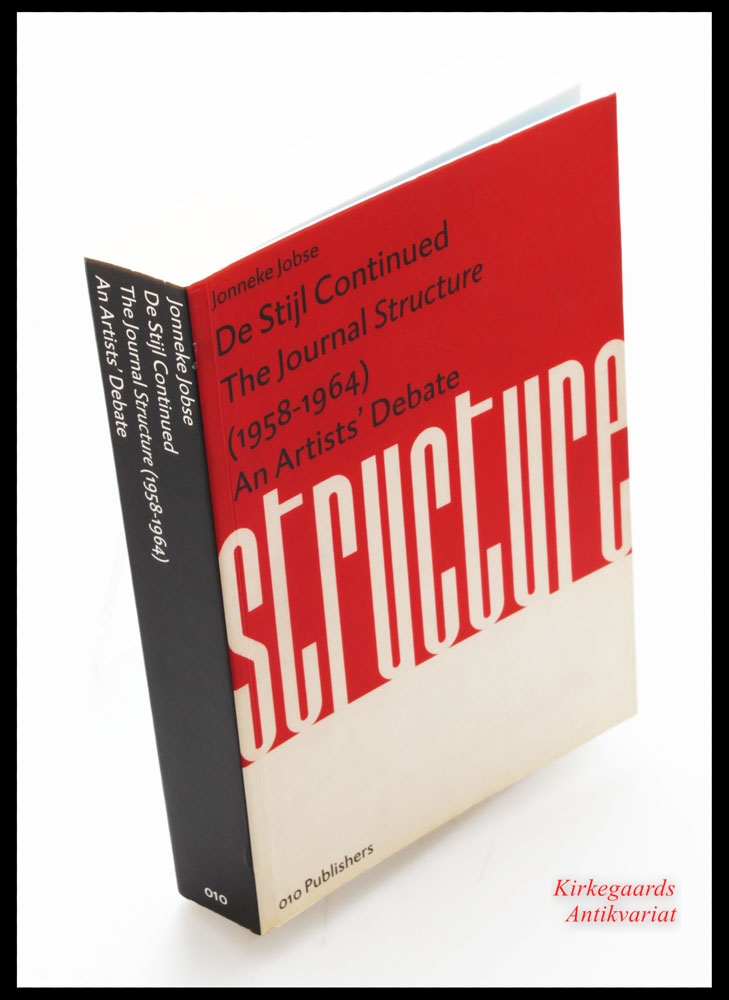
De Stijl is without doubt the most important Dutch contribution to the international history of Twentieth Century art. Founded in The Netherlands in 1917, by Mondrian, Van Doesburg and Van der Leck amongst others, the movement quickly acquired an international quality after the end of World War I. Back in Paris Mondrian and Van Doesburg would further disseminate their ideas of ‘The New Plastic in Painting’ and they would be adopted by others. In 1958 the journal STRUCTURE was founded by Dutch artist Joost Baljeu (with Eli Bornstein). Based on the principles and ideas of De Stijl and Bauhaus, a group of artists including Joost Baljeu, Charles Biederman, Carlos Cairoli, Ad Dekkers, Jean Gorin, Anthony Hill, Carel Visser and Gilian Wise found through the journal STRUCTURE common ground in the theories and principles of their predecessors a few decades earlier. In STRUCTURE an intellectual platform was created where discussions were held and theories explored on abstraction and nature, art and science, the painting and the relief, architecture and sculpture. Jobse Jonneke presents for the first time a thorough monograph on the magazine and its makers.