Art
-
 300,00 kr.
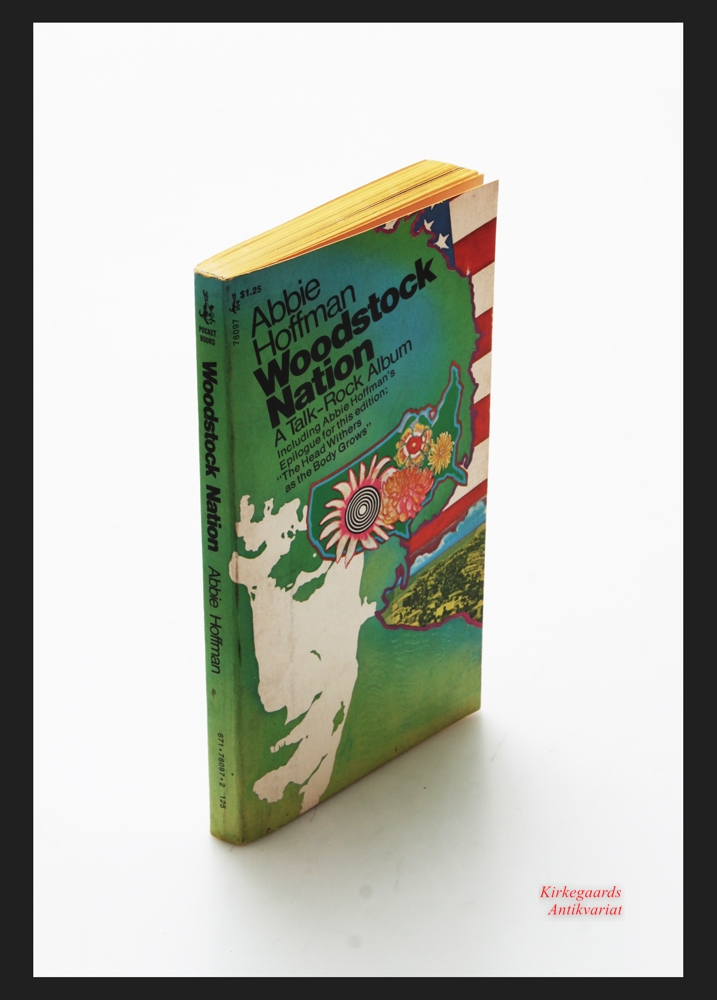
Woodstock Nation. A Talk-Rock Album. New York: Random House / Vintage Paperback, 1971 (1969). 164 pages. Illustrated. Very good copy
-
 345,00 kr.
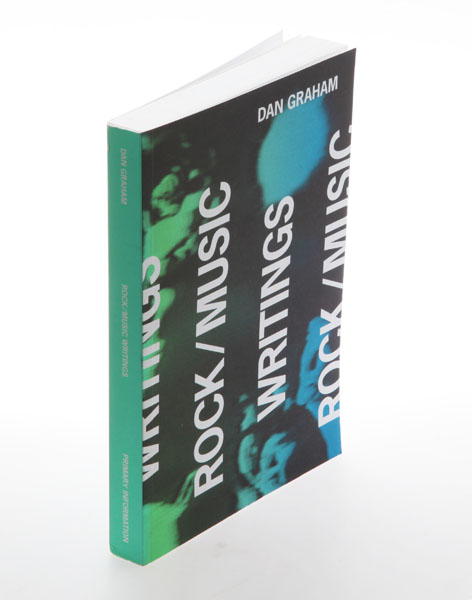
“Rock/Music Writings collects Dan Graham’s influential writings about rock and roll music and its cultural impact. First published in 2009, Rock/Music Writings includes thirteen essays written between 1968 and 1988, most of which were originally printed in small magazines or journals, including Extensions, Fusion, REAL LIFE, and ZG. Graham was a friend and supporter of many musicians active in the No Wave scene that was centered around New York City in the late ’70s. In addition to collaborating with musicians during this period, Graham created “Rock My Religion,” a video that demonstrates parallels between rock music culture and religious rituals, such as Shaker dances and revivalist meetings. The work’s related text, also titled “Rock My Religion,” is included in Rock/Music Writings, along with texts such as “The End of Liberalism,” “New Wave Rock and the Feminine,” “McLaren’s Children,” and “Artist as Producer.” These texts examine the lyrics and backgrounds of bands like The Beatles, The Kinks, Devo, The Ramones, the Patti Smith Group, the Sex Pistols, and Bow Wow Wow, relating them to consumerism and visual art movements, including Abstract Expressionism and Pop art.”
-
 Out of Stock
600,00 kr.
Out of Stock
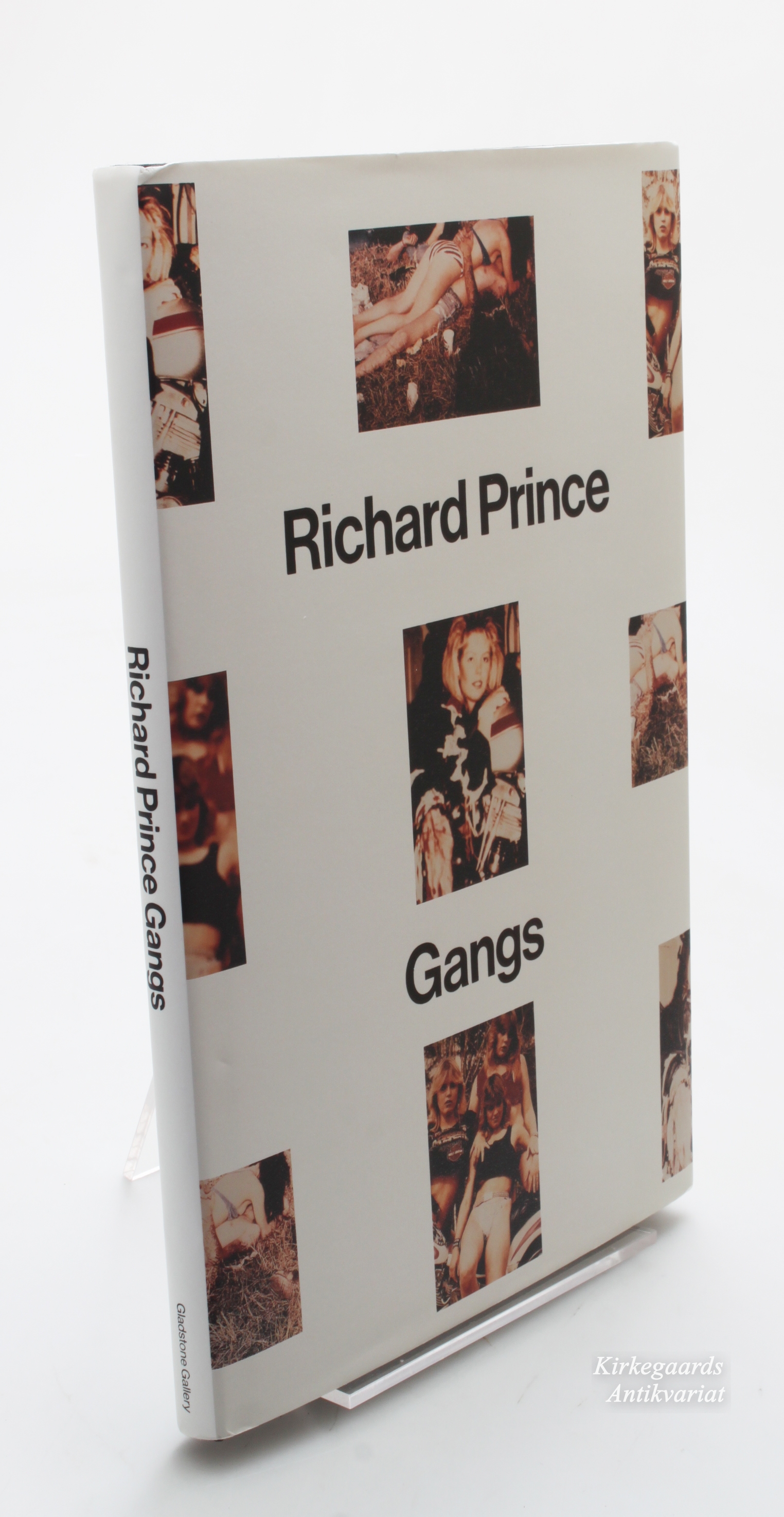
600,00 kr.“Richard Prince is an obsessive collector of images, first editions, screenplays and manuscripts, artworks by artists he admires and supports, celebrity memorabilia, muscle cars, and properties—much of which bleed into his own creations. This is an abbreviated list for sure. He pays for some of these items, but others—the photographs, the pictures that produce the tattered fabrics that clothe the American subconscious—he simply takes. Prince has been stealing for decades; he is the OG artist, after Duchamp and Warhol, to help himself to what already exists in the world. And the outlaw that he is, Prince placed a number of these pilfered pictures into “gangs” coordinated by subject matter—surfer waves, muscle cars, biker “chicks,” criminals, celebrities, heavy metal bands, and so on. These are images that populate the dreams of a dropout, degenerate generation but are used by the artist with love and reverence. This is his “Spiritual America”: the realm that is tattooed on his mind and pervades in his art. Prince claims that “gang” was the word used by the photo lab in the early 1980s for the technique of gathering slides into a printed photograph. They “ganged” images together under his direction, creating grids of taped slides that were transposed into printed photographs. And I believe him. But the connotation of the word “gang”—a group of young people united by a single purpose, driven by turf wars, violence, and illicit activity—is too vivid, too evocative, to bypass here. There is a defining ethos of criminality in Prince’s work. He jailbreaks the art world, does what he wants, and we, as his audience, reap the benefit of his renegade vision”
-
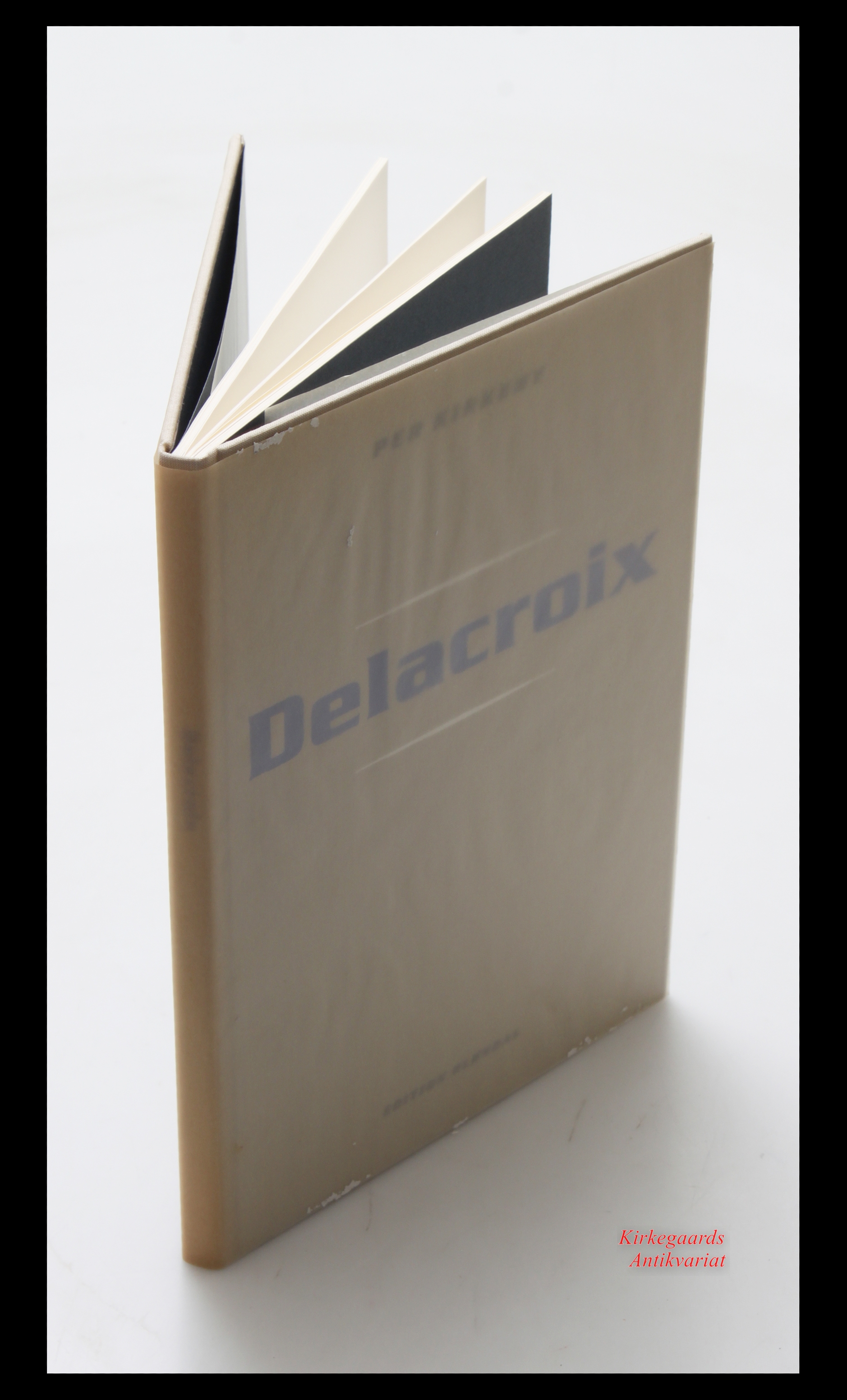 300,00 kr.
DELACROIX, Eugene. – Kirkeby, Per: DELACROIX Edition Bløndal, 1991. Original kartonbind. 70 sider. Illustreret i farver. Dansk udgave. Smudsomslaget kantslidt ellers rent og pænt eksemplar Første udgave
-
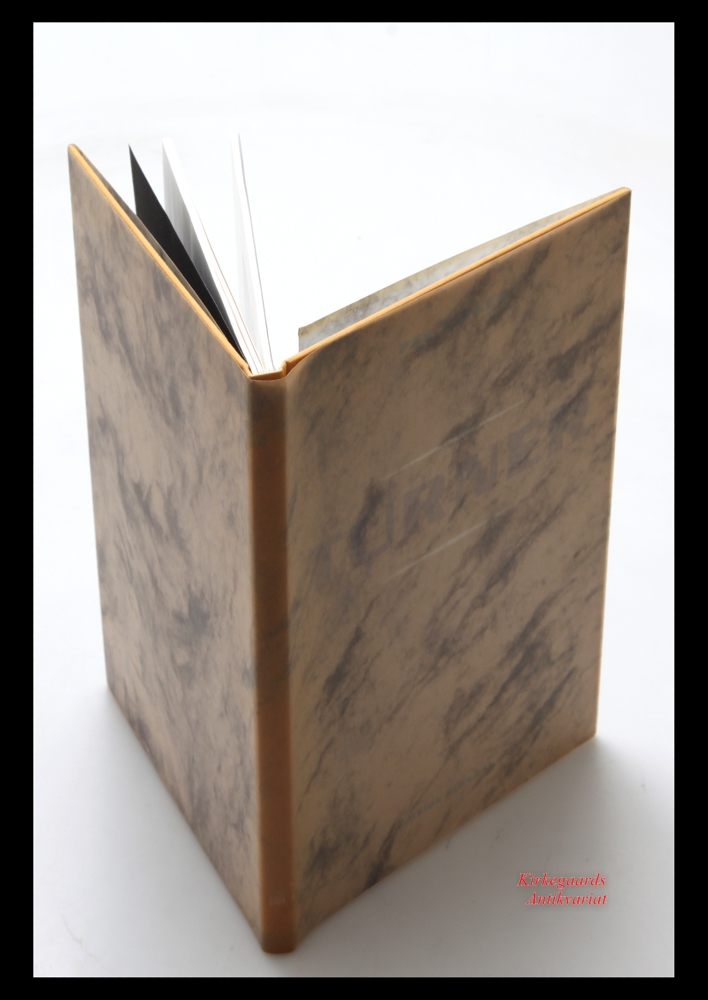 300,00 kr.
TURNER, J. M. W. – Kirkeby, Per:. TURNER. Edition Bløndal, 1992. Original kartonbind. 70 sider. Illustreret i farver. Dansk udgave. Smudsomslaget kantslidt ellers rent og pænt eksemplar Første udgave
-
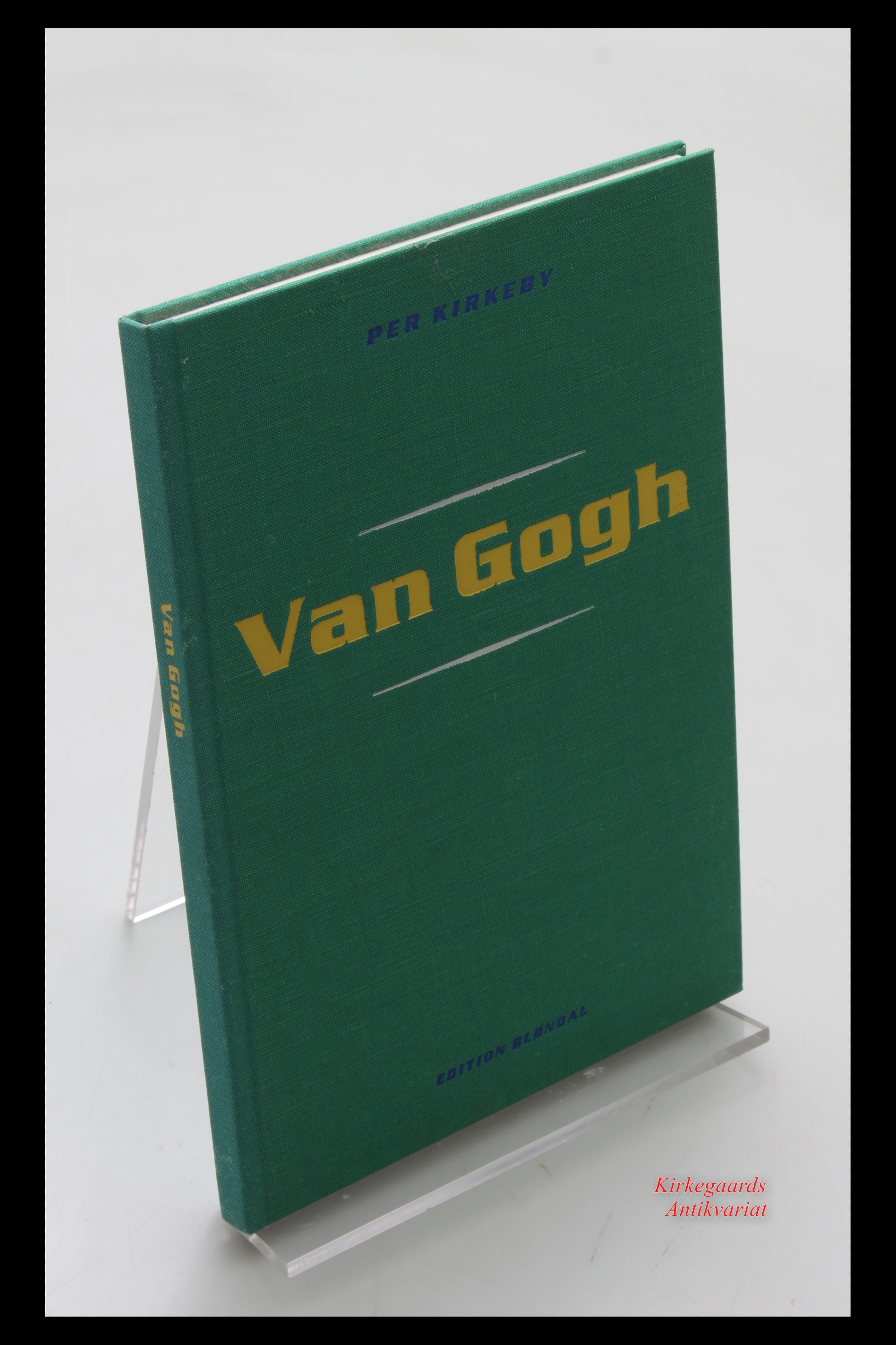 Out of Stock
Edition Bløndal, 1996. Original kartonbind. 64 sider. Illustreret i farver. Dansk udgave Første udgave
-
Out of Stock
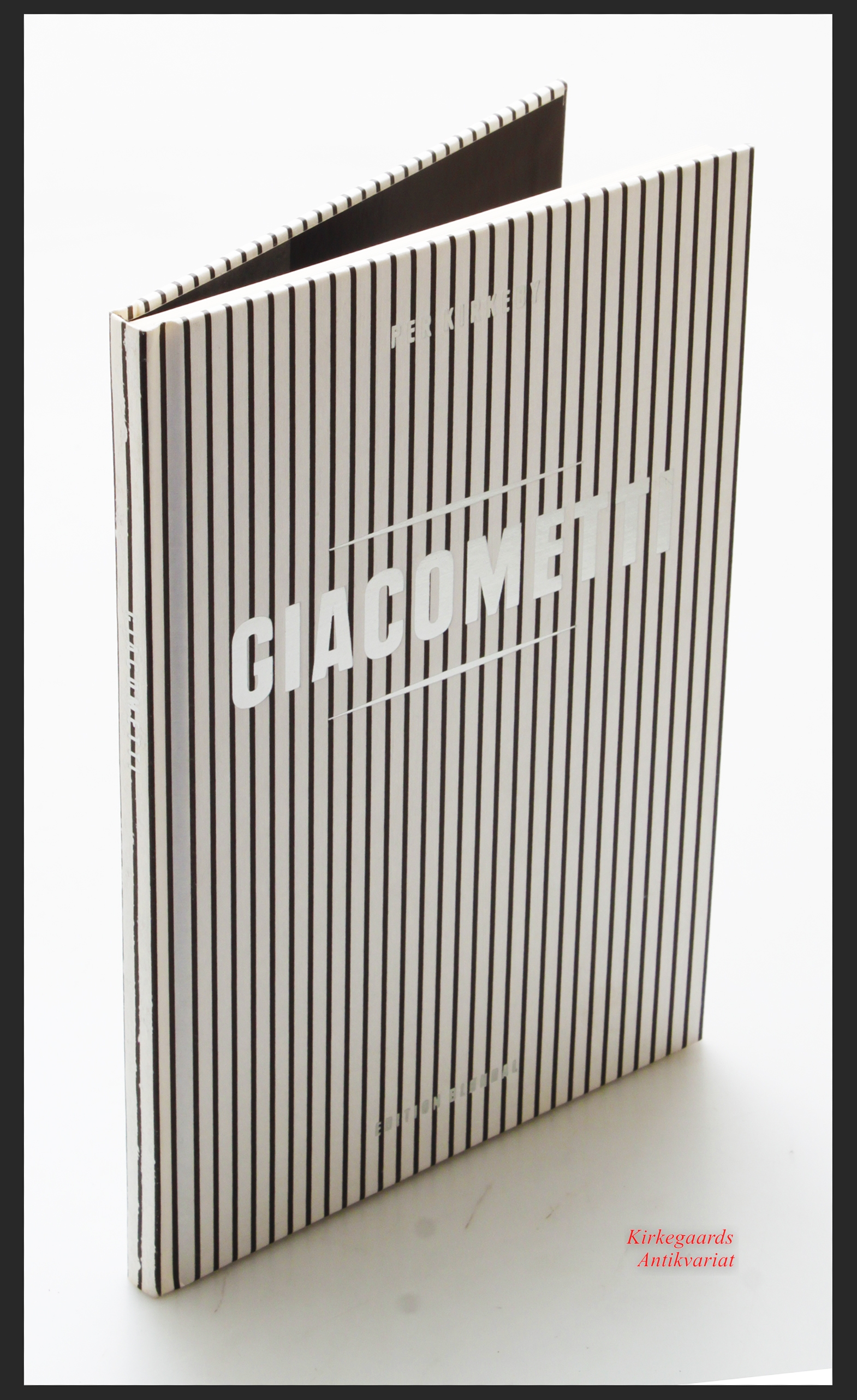
Giacometti, Alberto. – Kirkeby, Per: Giacometti. Edition Bløndal, 2002. Original stribet lærredsbind. 72 pp. Illustreret. Dansk udgave
-
200,00 kr.
EL GRECO: Roman med en dagbogsoptegnelse af Pablo Picasso. Edition Bløndal, 1996. Original kartonbind. 64 sider. Illustreret i farver. Dansk udgave Første udgave. Med dedikation fra bogtilrettelæggeren, Michael Jensen
-
-
100,00 kr.
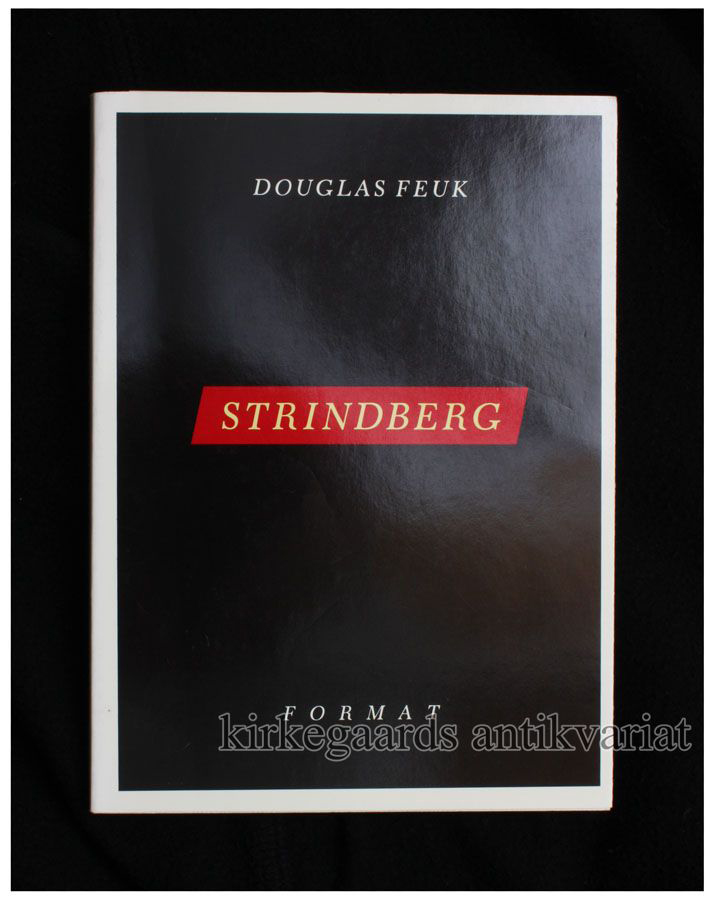
Strindberg, August. – Feuk, Douglas: Strindberg. Inferno Painting. Pictures of Paradise. Edition Bløndal, 1991. Original wrappers. 100 pp. + appendix. Illustrated in color. Text in English. Fine copy First edition. Book design by Michael Jensen
-
100,00 kr.
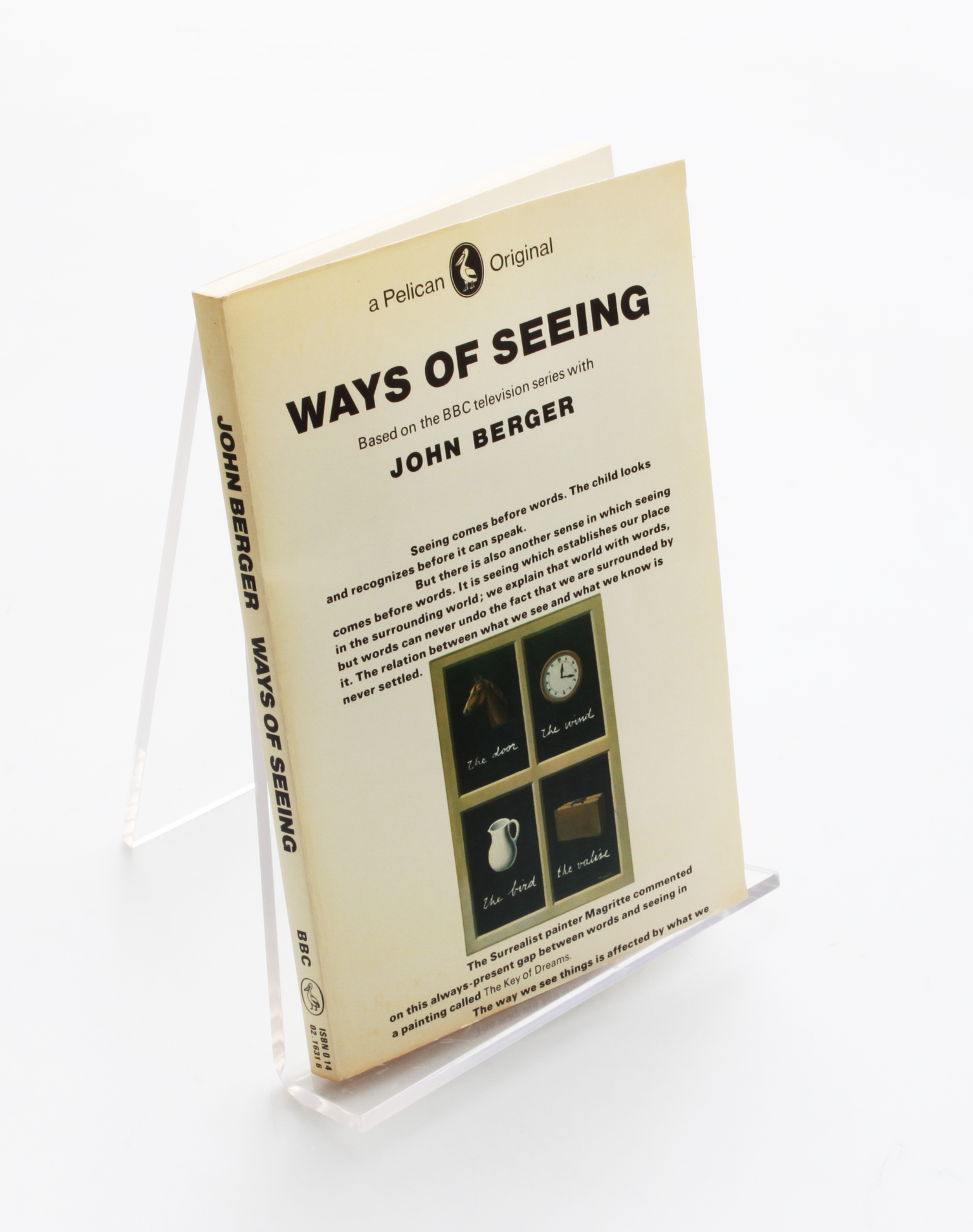
Penguin Pelican, 1978 (1972). 166 pages, photo-illustrated. Cover with some wear
-
Out of Stock
175,00 kr.
Christian Ejlers’ Forlag, 1977. 160 sider. Rigt illustreret i s/h. Heftet. Første danske udgave, 1. oplag